Glaucoma Surgery Recovery Timeline: What to Expect in the First 30 Days
Undergoing surgery to manage intraocular pressure (IOP) is a significant step in preserving your vision. Whether you are scheduled for a trabeculectomy, a glaucoma drainage device (shunt) implantation, or a Minimally Invasive Glaucoma Surgery (MIGS), understanding the recovery process is vital.
The glaucoma surgery recovery timeline is a structured journey toward stabilizing eye pressure and preventing further optic nerve damage. While the procedure itself is often quick, the first 30 days are a critical window where diligent post-operative care determines the long-term success of the intervention. In this guide, we break down the recovery milestones specifically for patients in Australia, aligning with local clinical standards and expectations.
See more: Aerobika Device: How It Works for Better Lung Health
Understanding Glaucoma Surgery and Eye Pressure Stabilization
Glaucoma surgery aims to create a new drainage pathway for aqueous humor, the fluid inside the eye. By reducing the resistance to fluid outflow, surgeons can lower the IOP to a “target pressure” that prevents further vision loss.
Unlike cataract surgery, where vision often improves almost instantly, glaucoma surgery recovery focuses on physiological stabilization. It is common for vision to be blurry or “fluctuating” during the initial weeks as the eye adjusts to its new pressure dynamics.
The Immediate Aftermath: Days 1 to 7
The first week is characterized by intensive monitoring and the prevention of infection or sudden pressure spikes.
The First 24 Hours
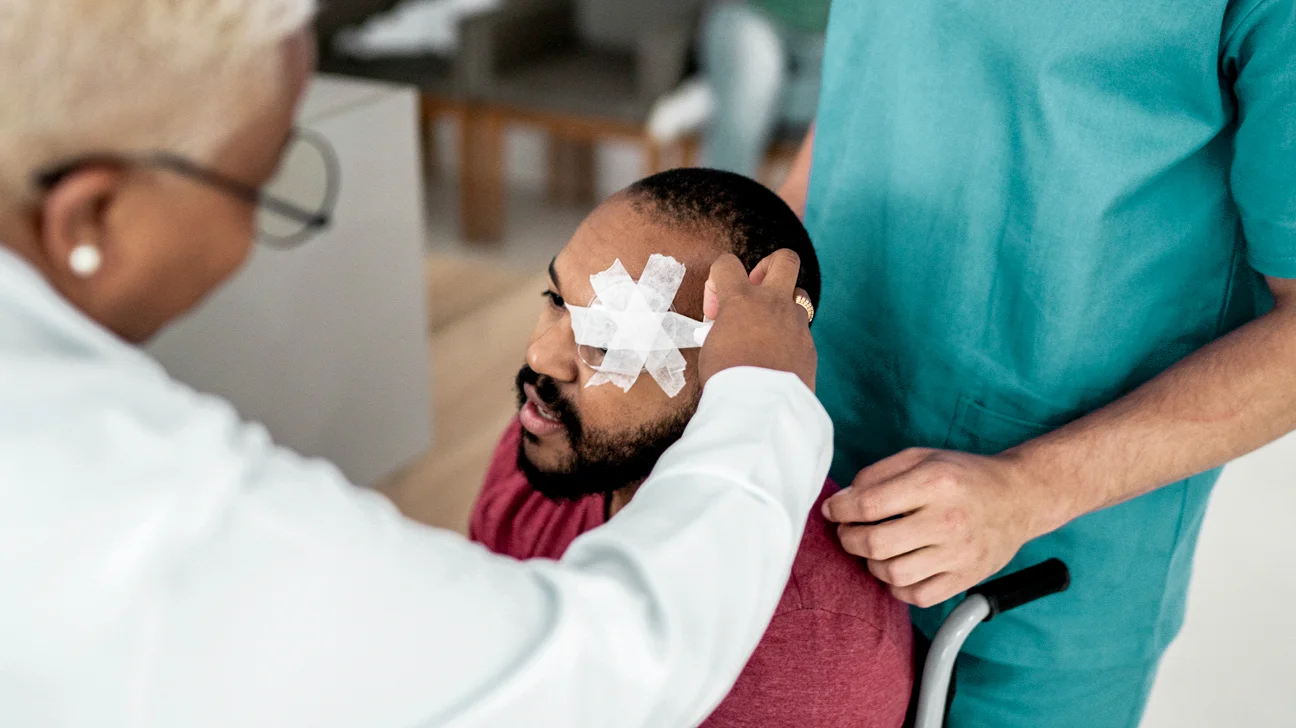
Immediately following the procedure, your eye will likely be covered with a protective shield. You will need a support person to drive you home.
- Sensation: Expect some grittiness, mild aching, or a “foreign body” sensation.
- Activity: Rest is paramount. Avoid any tasks that require visual concentration or physical exertion.
- The Day 1 Check-up: In Australia, most ophthalmologists require a follow-up appointment within 24 hours to measure the initial pressure and check for signs of inflammation.
Days 2 through 7: Establishing a Routine
During this week, your primary focus is the administration of medicated eye drops. These typically include antibiotics to prevent infection and corticosteroids to control inflammation and scarring.
- Vision Quality: It is normal for vision to remain blurry.
- Physical Restrictions: Do not rub your eye. Avoid bending over at the waist, as this increases cephalic pressure, which can negatively impact the surgical site.
- Hygiene: Keep water and soap away from the eye. Use a clean, damp cloth for face washing, avoiding the periocular area.
The Healing Phase: Days 8 to 14
By the second week, the initial surgical swelling begins to subside, and a clearer glaucoma surgery recovery timeline starts to emerge.
Monitoring the “Bleb” or Shunt
If you had a trabeculectomy, your surgeon will monitor the “bleb”—the small bubble or reservoir created under the eyelid. The health of this bleb is crucial for fluid drainage.
- Stitch Management: Depending on the technique, your surgeon may perform “laser suture lysis” or manually adjust sutures to fine-tune the fluid flow and pressure.
- Medication Adjustments: Your doctor may alter the frequency of your steroid drops based on how the eye is healing.
Lifestyle Integration
- Light Activity: You may be cleared for light walking, but heavy lifting (anything over 5kg) remains strictly prohibited.
- Screen Time: Short periods of reading or watching TV are generally acceptable, though you may experience dry eye symptoms more acutely.
Stabilization and Adaptation: Days 15 to 30
As you enter the final half of the first month, the “new normal” for your eye begins to solidify.
Week 3: Refinement of Vision
By day 21, the extreme fluctuations in vision typically begin to level out. However, you should not update your glasses prescription yet, as the eye shape can still shift slightly until the 8-to-12-week mark.
Week 4: Assessing Surgical Success
At the end of the glaucoma surgery recovery timeline: what to expect in the first 30 days, a comprehensive assessment is performed.
- IOP Checks: The surgeon will confirm if the intraocular pressure is within the desired target range without the need for additional glaucoma medications.
- Tapering Drops: If healing is progressing well, you will likely begin a gradual taper of your anti-inflammatory drops.

Best Practices for a Successful 30-Day Recovery
To ensure the best possible outcome, follow these expert-vetted strategies:
| Category | Recommended Action | Why It Matters |
| Medication | Use a timer for every drop. | Consistent levels of medication prevent scarring. |
| Protection | Wear your eye shield at night. | Prevents accidental rubbing or pressure during sleep. |
| Positioning | Sleep with your head slightly elevated. | Reduces nocturnal eye pressure spikes. |
| Environment | Wear sunglasses outdoors. | The eye will be photosensitive due to dilated pupils or inflammation. |
Common Mistakes to Avoid
- Stopping Drops Early: Even if the eye feels “fine,” stopping steroid drops prematurely can trigger a “rebound” inflammatory response and cause surgical failure.
- Straining: Activities like gardening, heavy lifting, or intense yoga (inverted poses) can cause the internal stitches to fail or lead to a choroidal hemorrhage.
- Ignoring Warning Signs: Waiting for a scheduled appointment to report new pain is a mistake. Immediate intervention is required for sudden changes.
When to Contact Your Australian Ophthalmologist Immediately
While some discomfort is normal, “Red Flag” symptoms require urgent clinical review. Contact your clinic or an emergency eye department if you experience:
- A sudden, sharp decrease in vision.
- Increasing pain that is not relieved by over-the-counter paracetamol.
- New “floaters” or flashes of light in your field of vision.
- Excessive discharge or worsening redness.
FAQ: Glaucoma Surgery Recovery
How long after glaucoma surgery can I drive?
Most patients can return to driving within 1 to 2 weeks, provided their vision in the non-operated eye meets Australian driving standards and the operated eye has reached a stable level of clarity. Always consult your surgeon before getting behind the wheel.
Can I exercise during the first 30 days?
Light walking is encouraged almost immediately. However, vigorous exercise, swimming, and gym workouts involving heavy weights should be avoided for at least 4 weeks to prevent infection and pressure spikes.
When can I return to work?
This depends on your occupation. Office-based workers may return in 1 to 2 weeks. Those in manual labor, dusty environments, or roles requiring heavy lifting may need 4 to 6 weeks off.
Is it normal for my eye to look red?
Yes, redness and even a small amount of blood on the white of the eye (subconjunctival hemorrhage) are common and usually resolve within the first 14 to 21 days.
Will I still need glaucoma drops after surgery?
The goal of surgery is to reduce or eliminate the need for pressure-lowering drops. However, some patients may still require a reduced regimen of drops to maintain target pressure long-term.
Conclusion: Navigating Your Recovery with Confidence
The glaucoma surgery recovery timeline: what to expect in the first 30 days is a process defined by patience and precision. While the restrictions on physical activity and the intensive drop schedule can be challenging, they are temporary measures designed to ensure the permanent protection of your sight.
By staying Diligent with your post-operative appointments and following the guidelines provided by your clinical team, you maximize the chances of a stable, low intraocular pressure. Remember, the first month is the foundation upon which your long-term eye health is built.
Next Steps:
- Internal Linking Suggestion: [Types of Glaucoma Surgery in Australia]
- Internal Linking Suggestion: [Post-Operative Eye Drop Guide]
- External Reference Suggestion: Glaucoma Australia (Patient Support Resources)
- External Reference Suggestion: The Royal Australian and New Zealand College of Ophthalmologists (RANZCO) Patient Information